
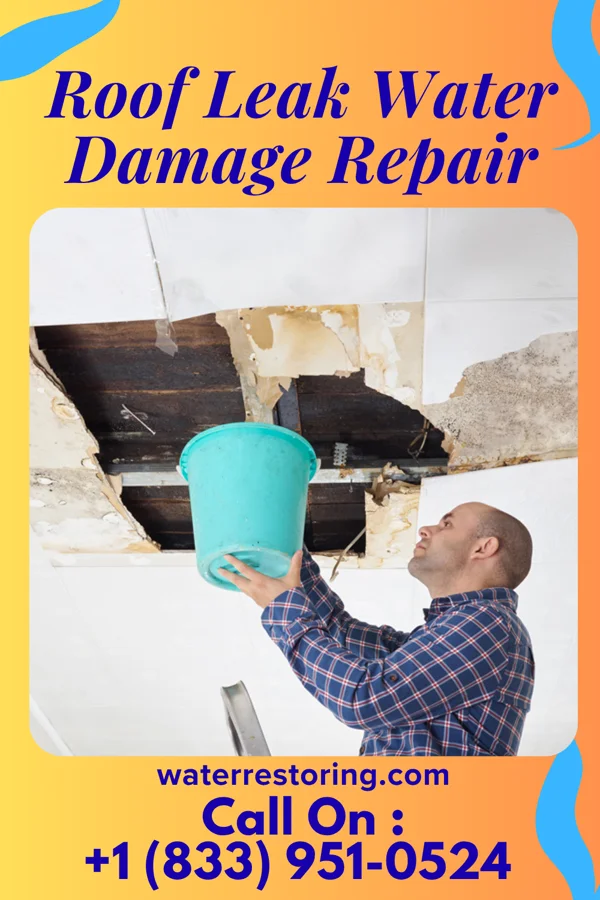
Best Flood Mitigation Specialists St. Helena › Roof Leak Water Damage Repair
Roof Leak Water Damage Repair in St. Helena, NC
Restoring St. Helena properties to pre-loss condition with IICRC-certified technicians, professionally calibrated drying equipment, and direct insurance coordination from first call to final completion documentation. Our team brings the credentials, equipment, and step-by-step protocols that adjusters expect — and that St. Helena property owners deserve when water damage threatens their home or business.
⚡ 2 hours
📞 Call +1 (833) 951-0524Water damage doesn't follow a schedule, which is why Best Flood Mitigation Specialists St. Helena operates roof leak water damage repair as a round-the-clock service in St. Helena. Whether the source is a burst pipe, appliance overflow, sewage backup, storm water intrusion, or roof failure, the first 24 hours determine the cost and complexity of restoration. Our IICRC-certified crews bring truck-mounted extraction equipment, calibrated drying systems, moisture testing tools, and antimicrobial treatment to every St. Helena call — equipment that the average homeowner cannot rent or operate effectively under emergency conditions.
Trusted St. Helena Restoration Team
Our team has been serving St. Helena for over a decade, providing reliable roof leak and water damage repair services to residents and property owners. We understand the unique challenges posed by the local climate and weather patterns.
Knowing the local market in St. Helena is part of the job. Different neighborhoods have different construction eras, different building codes, different common failure points, and different climate exposures. A crew that's worked the area for years arrives with context that reduces guesswork and accelerates the right interventions.
Credentials & Industry Certifications
Certifications: IICRC Water Damage Restoration Technician (WRT)
North Carolina Registrar of Contractors (ROC) Residential Contractor License (CR-39 for roofing)
Our team is fully licensed and certified to provide high-quality roof leak and water damage repair services in St. Helena. We adhere to strict industry standards and local building codes to ensure safe and effective solutions.
Why credentials matter to your insurance claim: IICRC certifications are the industry standard most carriers reference in their water damage coverage documentation. When a certified technician produces moisture maps and dry-down logs, those records carry the weight of the certifying body's training and ethical standards — meaningfully streamlining claim approval.
Step-by-Step Restoration Protocol
From the first call to final completion, our St. Helena restoration workflow is built around five core phases. Each phase has measurable exit criteria — moisture readings, equipment counts, or photographic documentation — before we move to the next.
- Inspection & Moisture Mapping — Thermal imaging and pin-type moisture meters identify the full extent of water intrusion, including hidden moisture in wall cavities, subflooring, and ceiling assemblies that visual inspection alone would miss.
- Water Extraction — Truck-mounted or portable vacuum extractors remove standing water and surface moisture from carpet, padding, hard surfaces, and confined cavities. Effective extraction reduces total drying time by hours or days.
- Structural Drying — Calibrated low-grain refrigerant or LGR dehumidifiers paired with axial and centrifugal air movers create a controlled drying environment. Equipment counts follow IICRC chamber-math formulas based on cubic footage and saturation level.
- Antimicrobial Treatment — EPA-registered antimicrobials are applied to affected surfaces to prevent microbial growth during the drying period and to neutralize any organisms already present in Category 2 or Category 3 water.
- Final Verification & Documentation — Daily moisture logs, photographic records, equipment receipts, and final dry-to-baseline readings are compiled into a documentation package for your insurance adjuster and your records.
Roof Leak Water Damage Repair Demand in St. Helena
St. Helena property owners turn to certified water damage restoration when St. Helena experiences frequent thunderstorms and heavy rainfall, especially during the late spring and early summer months. These weather patterns can lead to sudden roof leaks and water damage, particularly in older homes with inadequate drainage systems.. A close second is The region is also prone to high humidity and occasional flooding, which can exacerbate existing roof issues and lead to mold growth in damp environments..
The combination of heavy rainfall and high humidity in St. Helena creates an environment where water damage can quickly escalate. Poorly maintained gutters and downspouts often contribute to roof leaks and basement flooding.
Water damage progresses in stages: first the water itself spreads horizontally across floors and through wall cavities, then porous materials begin absorbing it, then microbial growth begins, and finally structural materials lose integrity. Each stage compounds the cost. The roof leak water damage repair window — the time when water can be extracted before secondary damage takes hold — is measured in hours, not days.
The Equipment We Bring to St. Helena
Professional restoration equipment is what separates a true mitigation outcome from a partial dry-out that leaves hidden moisture behind. Here's what's on every St. Helena truck.
- Truck-mounted vacuum extractors — Pull thousands of gallons per hour from carpets, padding, and hard floors with vacuum strength a homeowner-grade wet-vac cannot match.
- Low-grain refrigerant (LGR) dehumidifiers — Industrial dehumidifiers calibrated for water damage drying, capable of pulling moisture out of structural materials at low ambient humidity levels.
- Axial and centrifugal air movers — High-velocity airflow placed according to IICRC drying chamber math (typically one mover per 50-75 sq ft of affected area, plus additional units for confined cavities).
- Pin and pinless moisture meters — Direct moisture content readings on wood, drywall, and masonry, used to verify dry-to-baseline targets before equipment is removed.
- Thermal imaging cameras — Identify hidden moisture in wall cavities, ceiling assemblies, and behind cabinets that visual inspection cannot detect.
- HEPA air scrubbers — Filter airborne particulates and microbial spores from the work environment, especially during Category 2 or 3 water cleanup.
- EPA-registered antimicrobials — Applied to affected surfaces to prevent microbial growth during drying and neutralize any organisms in contaminated water situations.
Working With Your Insurance Carrier
We work closely with insurance companies in St. Helena to ensure that your claim is processed smoothly and efficiently. Our team can assist with documentation, estimates, and coordinating with your insurer to expedite repairs.
Our Guarantee: 5-year workmanship warranty on all roof leak repairs and water damage restoration work
Every roof leak repair we complete in St. Helena is backed by a 5-year workmanship warranty — if the repair fails within this period, we will address the issue at no additional cost to you.
The typical insurance claim process for St. Helena water damage runs in parallel with mitigation: we begin emergency extraction and drying immediately, your adjuster is notified within 24 hours, our daily logs and photographs feed the claim file, and final billing happens directly between us and your carrier. You handle your deductible — we handle everything else.
Coverage Across St. Helena
Best Flood Mitigation Specialists St. Helena serves all neighborhoods of St. Helena, including: 'Burgaw', 'Rocky Point', 'Long Creek', 'St. Helena', 'Cape Fear'.
We are experienced with St. Helena's common construction — Many homes in St. Helena feature traditional gable-style roofs with asphalt shingles, which are susceptible to damage from heavy rain and wind. Some newer constructions use metal roofing, offering better durability in severe weather. — and the specific water-damage risks each housing type presents.
Housing stock matters more than most people realize when it comes to water damage. Slab-foundation homes hide moisture differently than crawl-space construction. Block walls behave differently than wood-framed walls. Tile-on-concrete flooring requires different drying approaches than carpet or hardwood. Knowing the local construction translates to faster, smarter mitigation.
Restoration Costs in St. Helena
Typical project range: $2,500 - $8,000
The most expensive restoration mistake is starting too late. Water that sits 12-24 hours often requires only extraction and drying. Water that sits 48-72 hours often requires drywall removal, insulation replacement, and antimicrobial treatment — adding thousands to the project. Fast response is the single biggest variable in your final St. Helena restoration bill.
Local Mold Risk
Mold growth can occur within 48 hours of water intrusion in St. Helena due to the region's high humidity. This can lead to secondary damage such as structural weakening and health risks for residents.
When Water Damage Peaks in St. Helena
Peak risk window: The peak season for roof leaks in St. Helena is from April to September, when frequent thunderstorms and heavy downpours are most common. This period also coincides with the growing season, increasing the risk of water intrusion in residential properties.
After a storm in St. Helena, it is crucial to inspect your roof and property immediately to identify and address any leaks or water damage. Delaying repairs can lead to more extensive and costly damage over time.
Seasonal preparedness saves money. Property owners in St. Helena who know their peak risk window — and who have a restoration contact saved before the emergency hits — recover faster, file cleaner insurance claims, and avoid the price surge that comes when local crews are stretched thin during major weather events.
Commercial & Multi-Unit Restoration
Best Flood Mitigation Specialists St. Helena also handles commercial water damage in St. Helena — office buildings, retail spaces, restaurants, multi-tenant residential, healthcare facilities, and industrial properties. Each property type has unique requirements: HEPA filtration for occupied spaces, after-hours coordination for revenue-critical sites, separate drying zones for tenants who need to keep operating, and documentation tailored for commercial insurance carriers.
Commercial properties have different equipment requirements than residential restoration. Larger air movers, higher-capacity dehumidifiers, HEPA filtration for occupied buildings, separate drying zones for tenant areas, and coordination with property management or facility maintenance teams. We bring the equipment scale and the operational discipline that commercial restoration demands.
Frequently Asked Questions — St. Helena Water Damage Restoration
Does homeowner insurance cover roof leak water damage repair in North Carolina?
We work closely with insurance companies in St. Helena to ensure that your claim is processed smoothly and efficiently. Our team can assist with documentation, estimates, and coordinating with your insurer to expedite repairs. Best Flood Mitigation Specialists St. Helena bills your insurance carrier directly with industry-standard documentation that meets adjuster review requirements. Your only out-of-pocket cost should be your deductible.
How long does roof leak water damage repair typically take in St. Helena?
Most roof leak water damage repair projects in St. Helena complete within 3–5 days for residential properties — extraction takes hours, structural drying typically runs 2–4 days depending on water saturation and material types. We monitor moisture readings daily and only remove equipment after dry-to-baseline targets are confirmed. Larger commercial or whole-property incidents can extend to 7–10 days.
What's the difference between water damage cleanup and full restoration?
Cleanup typically refers to extraction and surface drying — removing standing water and obvious moisture. Full restoration includes structural drying with calibrated equipment, antimicrobial treatment, repair or replacement of damaged materials, and final moisture verification. Best Flood Mitigation Specialists St. Helena provides full IICRC-certified restoration so your St. Helena property returns to pre-loss condition, not just dried-on-the-surface.
Will mold grow if water damage isn't treated within 24 hours in St. Helena?
Mold growth can occur within 48 hours of water intrusion in St. Helena due to the region's high humidity. This can lead to secondary damage such as structural weakening and health risks for residents.
Are your St. Helena water damage technicians IICRC-certified and licensed?
Yes. Our St. Helena crews hold the following certifications: IICRC Water Damage Restoration Technician (WRT). North Carolina Registrar of Contractors (ROC) Residential Contractor License (CR-39 for roofing) Insurance carriers specifically look for IICRC credentials when evaluating water damage claims, which makes documentation significantly cleaner.
What equipment do you use for roof leak water damage repair in St. Helena properties?
Every St. Helena roof leak water damage repair call gets a full IICRC-spec equipment loadout: truck-mounted vacuum extractors (thousands of gallons per hour throughput), low-grain refrigerant (LGR) dehumidifiers calibrated for water damage drying, axial and centrifugal air movers placed by chamber-math formula, pin and pinless moisture meters, thermal imaging cameras for hidden-moisture detection, HEPA air scrubbers for occupied spaces, and EPA-registered antimicrobials.
Ready to Stop Water Damage in St. Helena?
IICRC-certified technicians on-call 24/7. Direct insurance billing.
📞 Call +1 (833) 951-0524